
Practical Tips for a Tidier, Happier Home

This is a collabrotive post
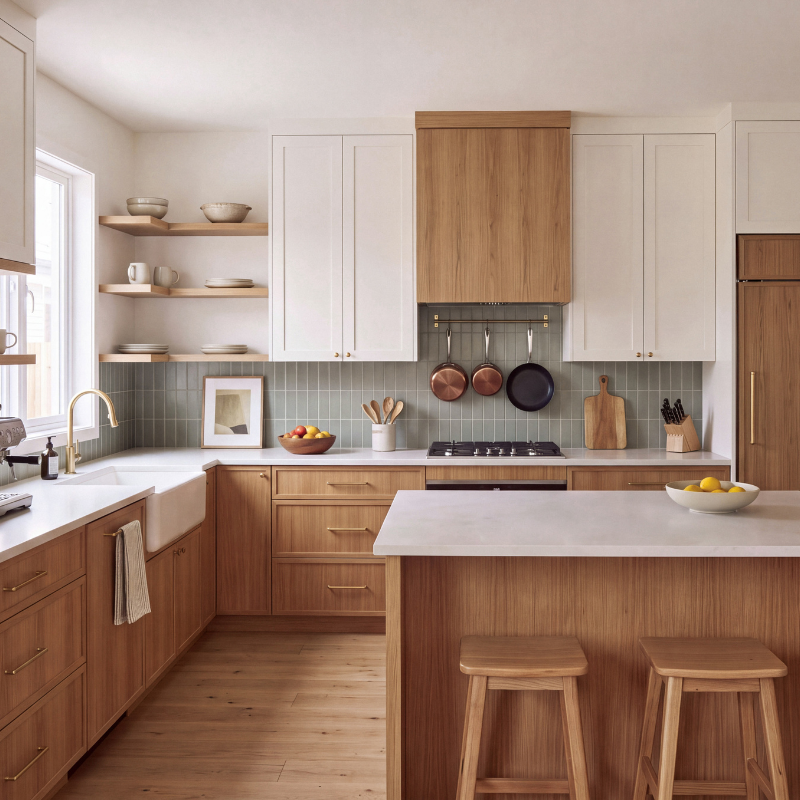
A tidy home is not about perfection. It is about systems that hold up under normal life. Kids, work, pets, and guests all pull a home in different directions. The goal is a set of habits that keep things functional, not a magazine-ready room that falls apart by Tuesday.
Most clutter builds up from small decisions, not big messes. A jacket left on a chair. Mail piled on the counter. Dishes that sit "for later." None of these feel like a problem on their own. Stacked together over weeks, they change how a room feels and how you feel in it.
The Ten-Minute Reset Method
Set a timer for ten minutes at the end of each day. Walk through the main living space and put items back where they belong. This is not deep cleaning. It is a reset, not a renovation.
The method works because it lowers the bar for action. Ten minutes is short enough that procrastination loses its grip. Over a week, that is more than an hour of maintenance without a single dedicated "cleaning day." For rooms that need more attention than a daily reset allows, a rotating cleaning service can cover the deeper work, like grout, baseboards, and appliance interiors, that daily tidying skips.
Kitchen Zones That Work
Kitchens get messy fastest because they handle the most traffic. Zoning the space by task cuts down on wasted motion and makes cleanup faster.
A simple zone layout looks like this:
Prep zone: cutting boards, knives, and mixing bowls near the counter you use most
Cooking zone: pots, pans, and utensils within arm's reach of the stove
Cleanup zone: dish soap, sponges, and drying rack near the sink
Storage zone: pantry items grouped by category, not by whenever they were bought
When tools live near where they are used, putting them away becomes the path of least resistance. That is the whole trick. Friction, not motivation, decides whether a kitchen stays organized.
What Clutter Does to Stress Levels
Clutter is not just a visual issue. It has a measurable effect on mental state. A 2026 survey of more than 2,000 UK adults found that over half of respondents, 51 percent, say clutter leaves them feeling stressed, and 43 percent say clutter causes arguments at home, according to Britain's Clutter Report.
This matters because it reframes tidying as a wellbeing task, not a chore for appearances. A cluttered surface adds a small cognitive load every time you look at it. Multiply that by every room, every day, and the effect compounds.
Dining Table Habits Worth Keeping
The dining table often becomes a dumping ground between meals. Mail, school papers, and bags land there because it is flat and central. Breaking that pattern takes one rule: nothing stays on the table that is not related to eating.
Clearing the table also protects it. Spills, scratches, and sun exposure wear down wood finishes faster than most people expect. A worn table looks tired even in a tidy room.
Protecting the surface reduces long-term maintenance. Fewer stains mean less scrubbing and less need for refinishing down the line.
For households that use the table daily, well-fitted fitted table cloths shield the surface from heat, spills, and scratches while keeping the table looking finished for guests.
Laundry and Fabric Care
Laundry piles up because it involves multiple steps: wash, dry, fold, put away. Skipping the last two steps is how clean clothes end up back in a basket.
A workable laundry system usually includes:
One load started per day rather than a weekend backlog
A folding basket kept near the machine, not carried to another room first
Labeled bins for whites, colors, and delicates to skip the sorting step later
Breaking laundry into daily five-minute tasks removes the dread of a full weekend session. Small, frequent effort beats occasional large effort almost every time in home maintenance.
Small Habits That Stick
None of these tips require special tools or a big time commitment. They work because they lower the effort needed to keep a space functional. A ten-minute reset, a zoned kitchen, a protected table, and a daily laundry habit add up to a home that stays manageable without constant intervention.
The homes that stay tidy long term are not the ones with the most rules. They are the ones with habits small enough to actually keep.
Another useful habit is to give every frequently used item a permanent home. This reduces the time spent searching and prevents surfaces from becoming temporary storage areas. Review these systems every few months and adjust them as your household changes. Organization should support daily routines, not create extra work or unnecessary restrictions.





Comments