
Light vs Dark Flooring: How It Changes the Look of Your Home


This is a collabrative post
Flooring tends to be one of the last decisions people make, yet it quietly influences everything else in the room. From how spacious a home feels to how colours and furniture come together, the tone of the floor sets the foundation.
Light and dark flooring each create a very different atmosphere. The choice isn’t just aesthetic either; it affects how a space is experienced day to day.
What Do Light and Dark Floors Actually Mean?
At a basic level, it comes down to tone.
Light flooring includes pale oak, whitewashed wood, soft beige tones, and lighter LVT or laminate finishes.
Dark flooring leans towards walnut, smoked oak, espresso tones, and deeper brown or near-black finishes.
It sounds simple, but these tones interact differently with light, walls, and furniture, which is where the real impact lies.
How Light Flooring Changes a Space
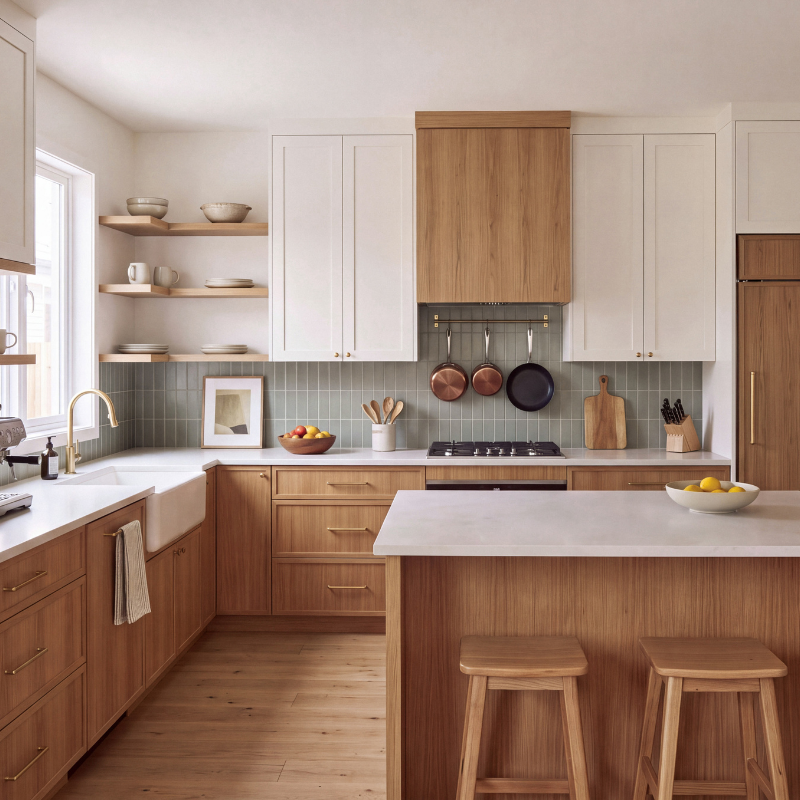
Light floors tend to make rooms feel more open, even if the layout hasn’t changed.
Because they reflect natural light rather than absorbing it, they can:
Brighten darker rooms or north-facing spaces
Make smaller rooms feel less enclosed
Create a softer, more relaxed backdrop
This is why light wood flooring is often seen in Scandinavian-inspired interiors. It keeps everything feeling airy without needing bold design choices.
There’s also a practical side. Dust, pet hair, and everyday marks are generally less noticeable on lighter tones, making them a forgiving option for busy households.
That said, lighter floors can sometimes feel a bit flat if everything else in the room is also pale. Without contrast, a space can lose definition.
How to style light flooring:
Pair with warm neutrals (cream, taupe, soft greys) to avoid a washed-out look
Add texture through rugs, fabrics, and wood furniture
Introduce contrast with black accents or darker joinery
How Dark Flooring Transforms a Room
Dark floors create a completely different mood. Instead of opening a space up, they tend to ground it.
They absorb light rather than reflect it, which can make a room feel:
Cosier and more enclosed
More formal or polished
Richer in tone and contrast
This is why darker wood floors often appear in period homes or more traditional interiors, sometimes as parquet flooring, but they’re equally effective in modern spaces when balanced properly.
Dark flooring naturally draws the eye, which means the rest of the room doesn’t have to work as hard. Even simple furniture can feel more intentional against a deeper backdrop.
However, darker floors do highlight dust, footprints, and scratches more easily. In high-traffic areas, this is worth considering.
How to style dark flooring:
Balance with lighter walls to avoid the room feeling heavy
Use metallic's or glass to reflect light back into the space
Layer in soft textiles to keep the room from feeling too formal
Light vs Dark: How It Affects Perception
The difference between light and dark flooring isn’t just visual; it changes how a space is perceived.
Room size: Light floors tend to stretch a space visually, while dark floors can make it feel more compact.
Ceiling height: Pairing dark floors with light walls can make ceilings feel higher. On the other hand, dark floors and dark walls together create a more cocooned effect.
Natural light: Rooms with limited sunlight benefit from lighter floors, while well-lit spaces can handle darker tones without feeling closed in.
Flow between rooms: Open-plan spaces often benefit from consistent flooring colour. Light tones create seamless flow, while darker floors can help define zones.
Which One Works Better With Modern Interiors?
Both can work; it depends on the direction of the space.
Light flooring leans towards:
Minimal, Scandinavian, and relaxed interiors
Homes focused on calm, neutral palettes
Spaces where natural light is limited
Dark flooring suits:
More dramatic or contrast-led interiors
Period properties or homes with architectural detail
Spaces where a sense of depth and warmth is needed
Interestingly, there’s been a shift away from very cool, pale greys towards warmer tones on both ends of the spectrum. Light floors are becoming more natural and oak-like, while dark floors are favouring rich browns over near-black finishes.
Is One Better Than the Other?
Not really. It comes down to how the space is used and the feeling that’s trying to be created.
Light flooring is often the safer choice. It’s versatile, easier to maintain visually, and works well across different styles.
Dark flooring makes more of a statement. It can elevate a room quickly, but it needs a bit more balance to get right.
A useful way to decide is to look at what the room lacks:
If it feels small or dim, lighter flooring will help.
If it feels flat or lacks character, darker flooring can add depth.





Comments