
The Wellness Benefits of Outdoor Recreation in Dorset

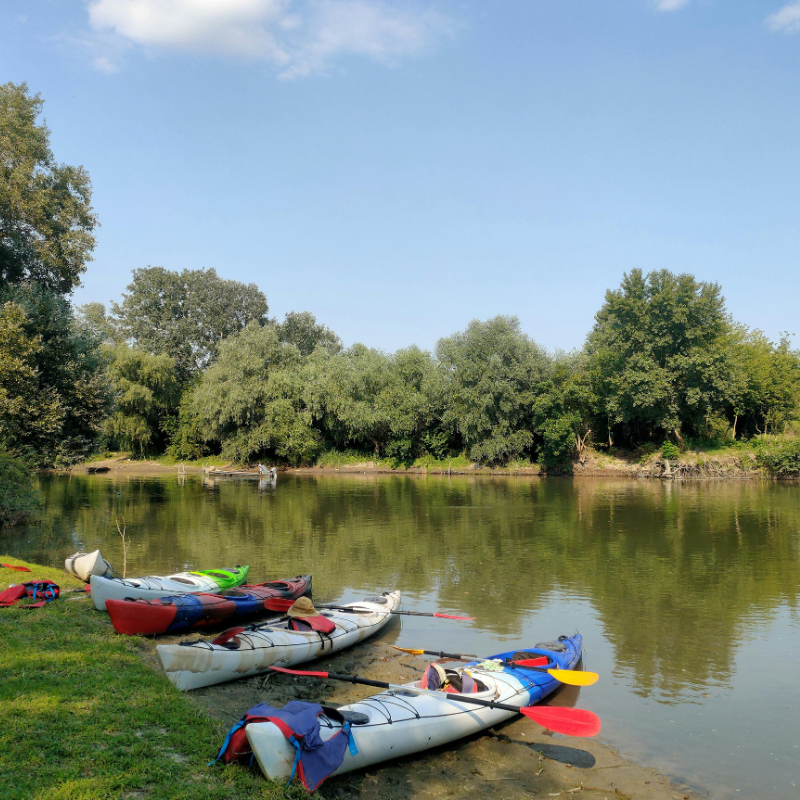
Spend enough time around anyone who hikes, kayaks, or walks their dog through a wet field every morning, and you'll notice something. They talk about feeling better differently than people who don't. Not vaguely better. Specifically better: fewer headaches, steadier sleep, less of the low-grade irritability that builds up over a desk-bound week.
This isn't just an anecdote. There's solid research on why time outdoors changes body and brain function, and what "dose" actually produces results. This article covers the physiology, the social side of outdoor activity, and how to build recreation into a routine that survives past January.
The Science Behind Why Nature Works
The clearest UK data point comes from researchers at the University of Exeter, who analyzed responses from roughly 20,000 people using Natural England's Monitor of Engagement with the Natural Environment survey. People who spent two hours in nature during the previous week had 23% higher odds of reporting high wellbeing and 59% higher odds of reporting good health compared to people with no nature contact at all. The full breakdown is available on the Natural England blog.
The mechanism isn't mysterious. Natural light regulates circadian rhythm more effectively than indoor lighting, improving sleep onset and depth. Movement outdoors triggers a parasympathetic response that lowers circulating cortisol. Moderate sun exposure supports vitamin D synthesis, which affects mood regulation and bone density. None of this requires extreme exertion. A brisk walk on uneven ground does most of the work.
Backyard Games and the Social Wellness Boost
Recreation doesn't have to mean mountains or open water. Community leagues built around simple backyard games have grown steadily across the UK, and cornhole is one of the more visible examples. Local clubs and pub gardens now run weekend tournaments, and teams competing regularly tend to invest in identity: matching sets of custom cornhole jerseys, team names, consistent gear. That small ritual matters more than it sounds. Shared identity increases follow-through, and follow-through is what turns a one-off activity into a habit.
Physical Fitness Gains From Regular Outdoor Activity
Outdoor terrain forces the body to work harder than a flat gym floor. Uneven ground recruits stabilizer muscles that treadmills rarely engage. Wind resistance and temperature variation increase caloric burn during otherwise moderate activity. Over months, this translates into measurable gains that go beyond what indoor routines typically produce:
Improved cardiovascular efficiency from sustained low-to-moderate intensity movement
Stronger stabilizer and ankle muscles from uneven terrain
Better bone density from weight-bearing activity outdoors
Lower resting heart rate with consistent weekly exposure
Reduced joint stiffness from varied movement patterns rather than repetitive machine motion
Mental Recovery and Cognitive Benefits
Psychologists studying attention fatigue have found that focused, directed attention (the kind used at a desk or on a screen) depletes a specific cognitive resource. Natural environments restore that resource because they draw on involuntary attention instead: watching a bird, noticing terrain change, tracking a trail. This is sometimes called attention restoration theory, and it explains why a walk in a park clears mental fog faster than a walk on a treadmill while scrolling a phone.
Sleep quality follows a similar pattern. People who get regular outdoor exposure report falling asleep faster and waking less during the night. Part of this is light exposure regulating melatonin production. Part of it is simple physical fatigue from movement that indoor life doesn't generate.
Choosing the Right Terrain and Intensity
Not every trail suits every fitness level, and pushing too hard early is the fastest way to quit. Coastal paths, woodland tracks, and open heath each demand different things from the body. Soft sand and loose gravel increase effort without increasing speed, which is useful for low-impact conditioning. Rocky or root-covered trails demand more balance work and are better suited to people already comfortable on flat ground.
Progression matters more than intensity. Adding thirty minutes a week, or one extra incline, builds tolerance without triggering the joint pain or exhaustion that causes people to abandon outdoor routines within a month.
Gear That Actually Supports Recovery and Safety
Most injuries from outdoor recreation aren't dramatic falls. They're small, repeated strain: a rolled ankle on wet grass, blisters from the wrong sock and boot combination, cold feet that cut a walk short. Proper footwear prevents most of it. Support at the ankle, a stiff enough sole to protect against sharp ground, and genuine waterproofing all reduce the chance of an activity ending early or badly.
This is where footwear built for demanding conditions earns its reputation. Tactical boots, originally designed for military and law enforcement use, have become a practical option for hikers who need ankle stability and weather resistance on rough terrain. The build quality that makes them useful in professional settings is the same build quality that holds up on a muddy coastal path in February.
Turning This Into a Weekly Habit
Consistency beats intensity for wellness outcomes. Two shorter outdoor sessions a week, done reliably, produce better long-term results than one long session that leaves someone too sore to repeat it. Pairing activity with something social, whether that's a walking group, a cornhole league, or a regular hiking partner, increases the odds it actually happens.
Outdoor recreation isn't a cure-all, and it won't replace medical treatment for serious conditions. But the physiological and psychological benefits are well documented, consistent, and available to almost anyone willing to get outside for a couple of hours a week.





Comments