
How I'm Conserving Water in My Dorset Garden During a Dry Summer


There's something wonderfully comforting about a long spell of sunshine. Morning coffee in the garden, bees busy amongst the flowers, tomatoes soaking up the warmth in the greenhouse – it's everything we dream of after a long winter.
But as lovely as these hot, dry days are, they do bring their own challenges. Like many gardeners across Dorset, I've found myself looking at the skies each evening, hoping for a proper soaking of rain. When it doesn't come, every drop of water suddenly feels precious.
Over the years, I've learnt that a healthy garden doesn't necessarily need endless watering. In fact, a few simple changes can help your plants cope surprisingly well while also saving water for when it's really needed.
Water Deeply, Not Often
One of the best pieces of gardening advice I was ever given was to water thoroughly rather than little and often.
A quick sprinkle each day only wets the surface of the soil, encouraging roots to stay shallow. But giving plants a deep drink every few days encourages their roots to grow down in search of moisture, making them much more resilient during dry spells.
I always try to water either early in the morning or later in the evening when the sun is lower. Less water evaporates, and the plants have more chance to absorb what they need.
Mulch is Worth Its Weight in Gold
If there's one job that really pays off during a dry summer, it's mulching.
A generous layer of compost, leaf mould or well-rotted manure acts like a blanket over the soil. It helps lock in moisture, keeps the roots cooler and even reduces weeds that compete for precious water.
Around my dahlias and vegetable beds, the mulch has made a noticeable difference this year. The soil underneath stays damp long after the surface has dried.
Prioritise What Really Needs Water
It's impossible to keep everything looking perfect during a drought, and that's perfectly alright.
Newly planted shrubs, vegetables, pots and hanging baskets usually need the most attention. Established trees, shrubs and many perennial flowers are often much tougher than we give them credit for.
I've learnt not to panic if the lawn starts to turn a little brown. Grass has an amazing ability to recover once the rain eventually arrives. It's simply resting until conditions improve.
Collect Every Drop
Whenever rain does arrive, I like to make the most of it.
Water butts connected to sheds, greenhouses and garage roofs can collect surprising amounts of water. Even a short summer shower can provide enough to keep containers going for several days.
Rainwater is also kinder to many plants than treated tap water, making it well worth collecting whenever possible.
Pots Need a Little Extra Care
Container plants dry out far quicker than those growing in the ground.
Grouping pots together creates a slightly cooler, more humid little corner, helping them lose moisture more slowly. Larger pots also hold water much better than small ones, so when buying new containers I often choose the biggest size I have space for.
A layer of gravel, bark or compost on top of the soil can also help reduce evaporation.
Don't Be Too Quick to Reach for the Hose
One thing I've noticed over the years is that plants can become surprisingly independent if we don't rush to water at the first sign of wilting.
Many will recover beautifully in the cooler evening temperatures without needing extra water at all. Of course, vegetables and young plants still need looking after, but sometimes a little patience is the best approach.
Choose Plants That Love Dry Conditions
Every year I find myself appreciating drought-tolerant plants more and more.
Lavender, verbena, rosemary, salvias and sedums seem positively delighted by a hot Dorset summer. Not only do they cope with dry weather, but they're also magnets for bees and butterflies.
It's a lovely reminder that we can create beautiful gardens while working with nature rather than against it.
Healthy Soil Makes All the Difference
Perhaps the biggest lesson gardening has taught me is that everything starts with the soil.
Soil rich in organic matter behaves almost like a sponge, holding onto moisture far longer than poor, dry ground. Every autumn I add homemade compost wherever I can, knowing that it's quietly improving the garden for the following summer.
It's one of those jobs that doesn't look exciting at the time, but months later you really notice the difference.
Gardening With Nature
As gardeners, it's easy to feel responsible for every drooping leaf during a dry spell. But nature has been coping with changing weather for thousands of years.
Rather than trying to fight the heat, I'm learning to adapt alongside it. Water wisely, improve the soil, mulch generously and focus on helping the plants that truly need it.
The garden may not look quite as lush during a long, dry summer, but it still has its own quiet beauty. Bees continue to buzz from flower to flower, butterflies dance across the borders, and the evening light over the garden is every bit as magical.
Sometimes gardening isn't about striving for perfection. It's about nurturing what we can, appreciating the season we're given, and trusting that, sooner or later, the Dorset rain will return.
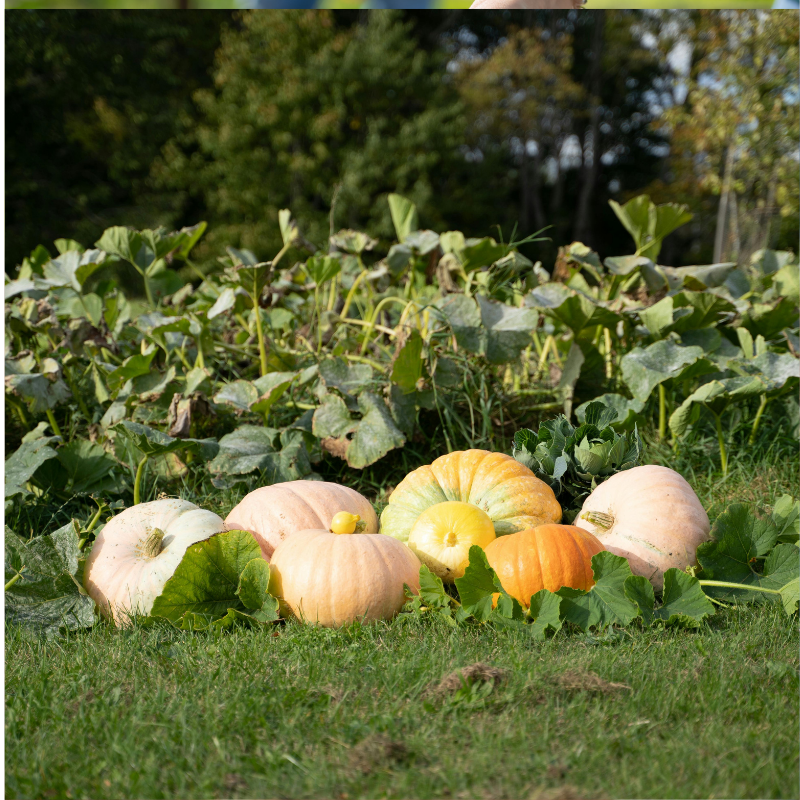





Some good tips. Unfortunately with this very long dry spell I’ve had to prioritise what I water and what I don’t.